Inspiration
This idea is inspired by the Reggio Emilia approach, an early childhood education philosophy from North Italian that targets children aged 0-6, which emphasizes children’s autonomy in developing their creativity, curiosity and diverse forms of expression.
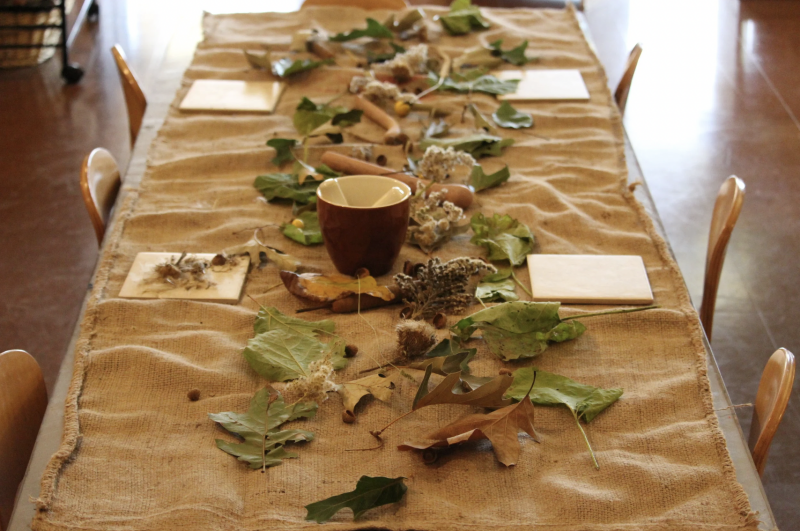
Reggio Inspired Teaching & Parenting. (2017, March 27). Montessori, Reggio or Waldorf: Which style is best for your Fort Collins Kid?https://reggio-inspired.com/blog/2017/3/27/montessori-reggio-or-waldorf-which-style-is-best-for-your-fort-collins-kid
Core philosophy
The Reggio Emilia Approach is based on children’s unlimited potential for exploration. Especially regarding the ‘hundred languages of children’, including sculpture, drawing, music, dance, drama and construction.
What to focus on?
In addition, the Reggio Emilia Approach also considers teachers/parents as researchers or learners, teachers/parents can also learn and observe children's learning or gaining new knowledge through this experience being involved in learning alongside your children. Therefore, it is also a good opportunity for you to gain new knowledge from your children and the topic.
In the activity supported by the Reggio Emilia Approach, the environment is the third teacher in addition to teachers and parents. To be more specific, The Reggio Emilia considers environment will influence children's thinking, such as believing children's creativity may be restricted by the environment that is full of plastic toys and facilities. Therefore, Children are encouraged to learn from the natural environment especially from nature.
Here are some key points for reference:
. To consider environment as a third teacher.
. To encourage children to construct their own knowledge through nature.
. To consider yourself as a learner or researcher when engaing with children.
. To create a natural environemnt to support children's thinking.
Create Your Own Website With Webador